Hardware Wallet Privacy: Protecting Your Cryptocurrency Assets
Apr 19, 2026 · 7 min read
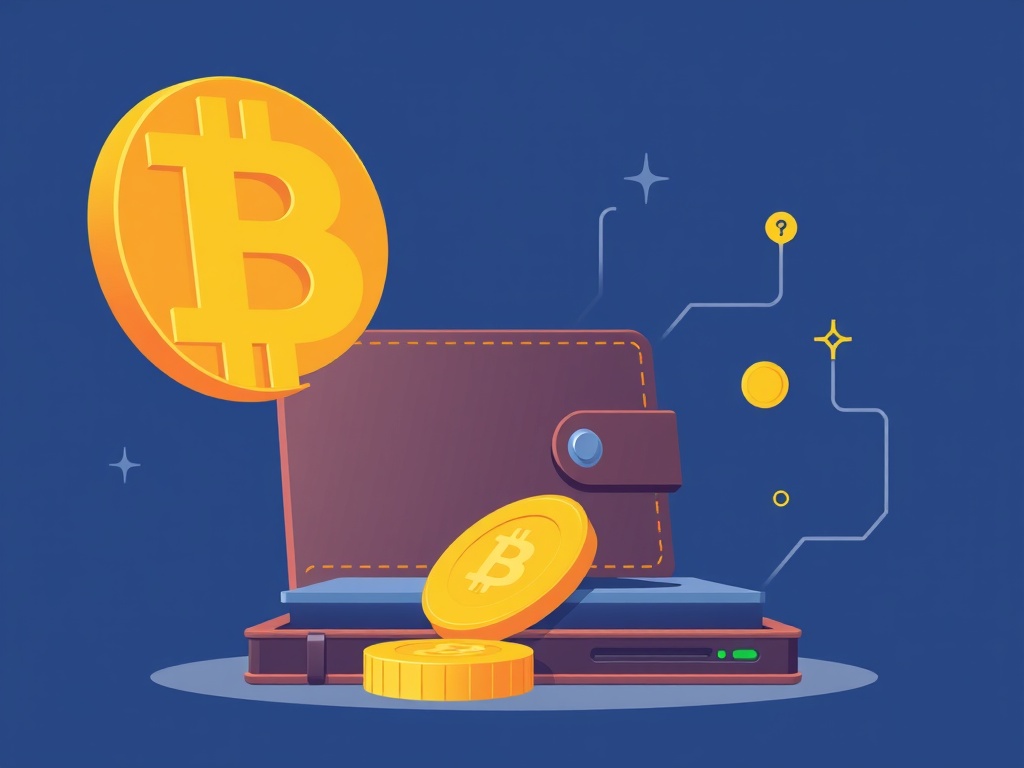
Hardware Wallet Privacy: Protecting Your Cryptocurrency Assets
In the world of cryptocurrency, security and privacy go hand in hand. While hardware wallets are renowned for their robust security features, many users overlook the privacy aspects of these devices. Understanding hardware wallet privacy is crucial for anyone serious about protecting their digital assets from prying eyes and potential threats.
The Importance of Privacy in Cryptocurrency Storage
Cryptocurrency transactions are inherently transparent due to the public nature of blockchain technology. Every transaction is recorded on a public ledger, making it possible for anyone to trace the flow of funds. This transparency, while beneficial for security and verification, can compromise user privacy if not properly managed.
Hardware wallets offer a significant advantage over software wallets and exchanges by keeping your private keys offline. However, hardware wallet privacy extends beyond just secure key storage. It encompasses various aspects of how your transactions are conducted, how your identity is protected, and how your financial activities remain confidential.
Why Privacy Matters for Crypto Users
Privacy in cryptocurrency is not about hiding illegal activities—it's about protecting your financial sovereignty. When your transaction history is exposed, it can reveal patterns about your wealth, spending habits, and even your physical location. This information can be exploited by hackers, scammers, or even government agencies depending on your jurisdiction.
Additionally, businesses using cryptocurrency need to protect their financial strategies and client information. For these entities, hardware wallet privacy becomes a critical component of their operational security.
How Hardware Wallets Enhance Privacy
Hardware wallets provide several layers of privacy protection that software wallets simply cannot match. Understanding these features can help you maximize your privacy while using these devices.
Offline Key Storage
The primary privacy benefit of hardware wallets is that your private keys never leave the device. When you sign a transaction, the signing process happens within the secure element of the hardware wallet, keeping your keys completely isolated from potentially compromised computers or networks.
This isolation means that even if your computer is infected with malware, your private keys remain secure. The transaction data that gets broadcast to the network contains no information about your private keys, maintaining the integrity of your hardware wallet privacy.
Address Generation and Management
Quality hardware wallets generate new addresses for each transaction, making it significantly harder to link your transactions together. This practice, known as address reuse prevention, is a fundamental aspect of maintaining privacy in cryptocurrency.
When you use a new address for each incoming transaction, it becomes much more difficult for blockchain analysts to track your total holdings or establish patterns in your transaction history. This feature is built into most modern hardware wallets and represents a crucial element of hardware wallet privacy.
Privacy Limitations of Hardware Wallets
While hardware wallets offer excellent security, they are not a complete privacy solution. Understanding their limitations is essential for developing a comprehensive privacy strategy.
Network-Level Privacy Concerns
Even with a hardware wallet, your IP address is visible when you broadcast transactions. This means that someone monitoring network traffic could potentially link your real-world identity to your cryptocurrency activities. Additionally, if you purchase your hardware wallet using personal information or have it shipped to your home address, this creates potential links between your identity and your crypto holdings.
To address these concerns, many users combine their hardware wallets with additional privacy tools such as VPNs, Tor networks, or privacy-focused cryptocurrencies. These supplementary measures enhance the overall hardware wallet privacy framework.
Blockchain Analysis Techniques
Advanced blockchain analysis companies have developed sophisticated techniques to deanonymize cryptocurrency users. These methods can sometimes link addresses together or identify patterns that reveal user identities, even when address reuse prevention is practiced.
Understanding these analysis techniques can help you make informed decisions about your transaction patterns and privacy strategies. While hardware wallets provide excellent protection for your keys, they cannot completely prevent determined adversaries from analyzing blockchain data.
Best Practices for Maximizing Hardware Wallet Privacy
Implementing proper practices can significantly enhance your hardware wallet privacy and protect your financial information from unwanted exposure.
Purchase and Setup Considerations
When acquiring a hardware wallet, consider purchasing directly from the manufacturer or authorized resellers rather than through third-party marketplaces. This reduces the risk of receiving a compromised device. Additionally, using a PO box or alternative shipping address can help separate your physical identity from your hardware wallet.
During the initial setup, ensure you're in a private location without surveillance cameras or listening devices. The recovery seed phrase you create should be written down and stored securely, but never photographed or stored digitally where it could be compromised.
Transaction Privacy Strategies
For optimal privacy, use your hardware wallet in conjunction with privacy-enhancing techniques. This might include using coin mixing services, conducting transactions during peak network times to blend with higher traffic, or utilizing privacy-focused cryptocurrencies for certain transactions.
Consider using multiple hardware wallets for different purposes—one for long-term storage, another for regular transactions, and perhaps others for specific types of activities. This compartmentalization makes it more difficult for observers to build a complete picture of your cryptocurrency activities.
Advanced Privacy Features in Modern Hardware Wallets
Hardware wallet manufacturers are increasingly incorporating advanced privacy features to address growing user concerns about financial surveillance.
Multi-Signature and Collaborative Transactions
Many modern hardware wallets support multi-signature transactions, which require multiple parties to authorize a transaction. This feature not only enhances security but can also improve privacy by distributing transaction authority across different devices or individuals.
Some hardware wallets now offer collaborative transaction features that help obscure the origin and destination of funds. These advanced features represent the cutting edge of hardware wallet privacy technology.
Integration with Privacy Coins
Several hardware wallet manufacturers have begun integrating support for privacy-focused cryptocurrencies like Monero, Zcash, and others. These coins use advanced cryptographic techniques to obscure transaction details, providing an additional layer of privacy when used in conjunction with hardware wallets.
The combination of hardware wallet security with privacy coin technology creates a powerful privacy solution for users who require maximum confidentiality in their financial transactions.
Common Privacy Mistakes to Avoid
Even with a hardware wallet, certain practices can compromise your privacy. Being aware of these common mistakes can help you maintain better hardware wallet privacy.
Reusing Addresses
One of the most common privacy mistakes is reusing addresses for multiple transactions. This practice makes it easy for blockchain analysts to track your transaction history and estimate your total holdings. Always generate new addresses for each incoming transaction when possible.
Connecting to Unsecured Networks
Broadcasting transactions from public Wi-Fi networks or other unsecured connections can expose your IP address and potentially link your real-world location to your cryptocurrency activities. Always use secure, private networks when interacting with your hardware wallet.
Sharing Transaction Details
Discussing specific transaction amounts, addresses, or timing on social media or other public forums can compromise your privacy. Even seemingly innocuous details can be used by analysts to piece together information about your cryptocurrency activities.
The Future of Hardware Wallet Privacy
As cryptocurrency adoption grows and privacy concerns become more prominent, hardware wallet manufacturers are investing heavily in privacy-enhancing features.
Emerging Technologies
Technologies like zero-knowledge proofs, confidential transactions, and advanced mixing protocols are being integrated into hardware wallet firmware. These innovations promise to make hardware wallet privacy even more robust in the coming years.
Additionally, the development of decentralized identity solutions may allow users to prove their identity or age without revealing other personal information, further enhancing privacy in cryptocurrency transactions.
Regulatory Considerations
The regulatory landscape for cryptocurrency privacy is evolving rapidly. While some jurisdictions are implementing strict know-your-customer requirements, others are recognizing the importance of financial privacy rights. Hardware wallet manufacturers must navigate these regulations while still providing effective privacy solutions for their users.
Understanding the regulatory environment in your jurisdiction is crucial for maintaining both legal compliance and effective hardware wallet privacy.
Conclusion
Hardware wallet privacy represents a critical but often overlooked aspect of cryptocurrency security. While these devices provide excellent protection for your private keys, achieving comprehensive privacy requires understanding both the capabilities and limitations of hardware wallets.
By implementing best practices, staying informed about emerging technologies, and being mindful of common privacy pitfalls, you can significantly enhance your financial privacy in the cryptocurrency space. As the technology continues to evolve, hardware wallets will likely play an increasingly important role in protecting not just the security but also the privacy of cryptocurrency users worldwide.
Remember that privacy is not a one-time setup but an ongoing practice. Regularly review your privacy strategies, stay informed about new threats and solutions, and adapt your approach as the cryptocurrency landscape continues to evolve.
<h1>Hardware Wallet Privacy: A Critical Analysis for DeFi Users</h1> <p>As a DeFi and Web3 analyst, I've observed that hardware wallet privacy has become increasingly crucial as the decentralized finance ecosystem continues to expand. While hardware wallets are widely recognized for their security benefits in protecting private keys, many users don't fully understand the privacy implications of their transactions. The fundamental challenge lies in the fact that blockchain transactions are inherently transparent, and hardware wallets, while securing your keys, don't inherently provide transaction privacy.</p> <p>Through my research, I've found that users need to implement additional privacy measures beyond just using a hardware wallet. This includes utilizing privacy-focused cryptocurrencies, employing coin mixing services, and being mindful of address reuse. I recommend that DeFi users consider using multiple hardware wallets for different purposes - one for long-term storage, another for active trading, and potentially a third for privacy-focused transactions. Additionally, it's crucial to understand that while hardware wallets protect your keys, they don't shield your transaction history from blockchain analysis tools, making it essential to combine them with other privacy-enhancing technologies for comprehensive protection.</p>