Anonymous Goods Trading: A Comprehensive Guide to Secure and Private Transactions
Apr 16, 2026 · 5 min read
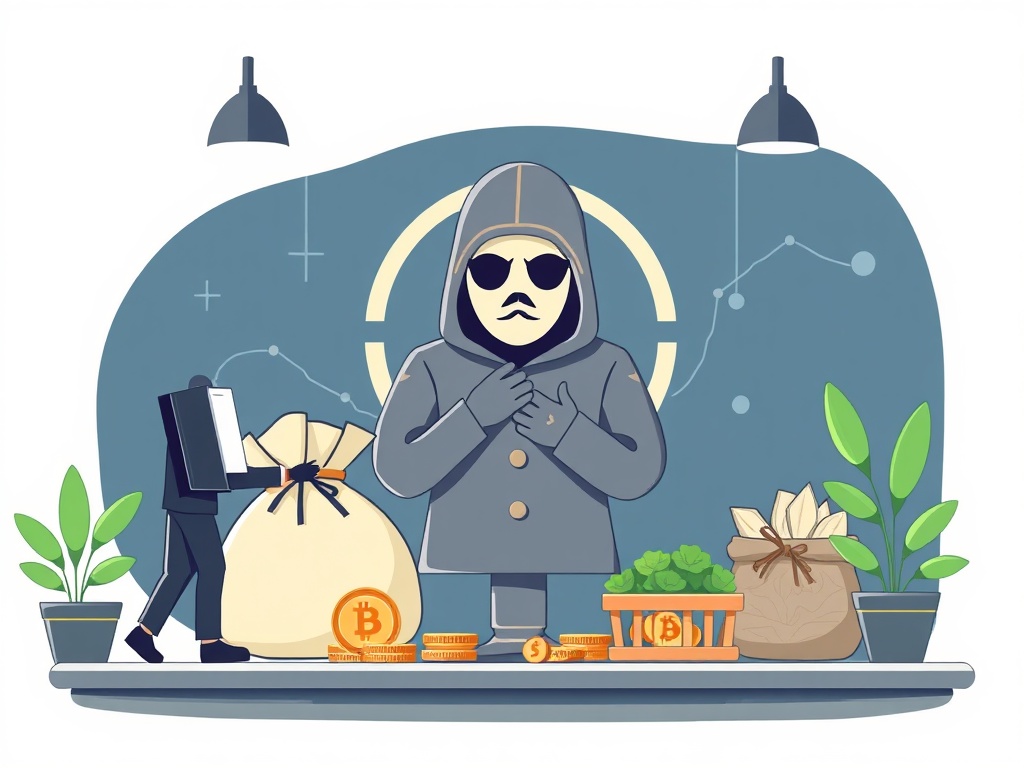
Anonymous Goods Trading: A Comprehensive Guide to Secure and Private Transactions
Anonymous goods trading has emerged as a significant aspect of the digital economy, offering individuals and businesses the ability to conduct transactions with enhanced privacy and security. This practice leverages various technologies and methodologies to protect the identities of buyers and sellers while facilitating the exchange of goods and services. In this comprehensive guide, we will explore the fundamentals of anonymous goods trading, its benefits, challenges, and best practices for those looking to engage in this increasingly popular form of commerce.
Understanding Anonymous Goods Trading
Anonymous goods trading refers to the process of buying and selling products or services without revealing the personal identities of the parties involved. This type of trading often utilizes cryptocurrencies, privacy-focused platforms, and encryption technologies to maintain anonymity throughout the transaction process.
The Evolution of Anonymous Trading
The concept of anonymous trading has evolved significantly over the years. Initially, it was primarily associated with illicit activities on the dark web. However, as privacy concerns have grown in the mainstream digital economy, anonymous trading has gained legitimacy and is now used by individuals and businesses seeking to protect their personal information from data breaches, surveillance, and unwanted marketing.
Key Components of Anonymous Trading
Several key components make anonymous goods trading possible:
- Cryptocurrencies: Digital currencies like Bitcoin, Monero, and Zcash provide a level of anonymity not available with traditional payment methods.
- Privacy-focused platforms: Specialized marketplaces and forums that prioritize user anonymity and employ encryption techniques.
- Encryption technologies: Tools like PGP (Pretty Good Privacy) and VPNs (Virtual Private Networks) help protect communications and online activities.
- Tumblers and mixers: Services that obfuscate the origin of cryptocurrency transactions, making it difficult to trace the flow of funds.
Benefits of Anonymous Goods Trading
Engaging in anonymous goods trading offers several advantages for both buyers and sellers:
Enhanced Privacy Protection
One of the primary benefits of anonymous goods trading is the protection of personal information. In an era where data breaches and identity theft are common, maintaining privacy during transactions can significantly reduce the risk of personal information falling into the wrong hands.
Freedom from Censorship
Anonymous trading platforms often operate outside the jurisdiction of traditional financial systems, allowing users to engage in transactions that might be restricted or censored in their local markets. This can be particularly valuable for individuals in countries with strict financial regulations or limited access to global markets.
Reduced Risk of Fraud
By eliminating the need to share sensitive personal information, anonymous goods trading can reduce the risk of identity theft and financial fraud. Transactions are typically conducted through secure, encrypted channels, further protecting both parties from potential scams.
Challenges and Risks in Anonymous Goods Trading
While anonymous goods trading offers numerous benefits, it also comes with its own set of challenges and risks that participants should be aware of:
Legal and Regulatory Concerns
The anonymous nature of these transactions can make it difficult for law enforcement agencies to track illegal activities. As a result, many jurisdictions have implemented strict regulations or outright bans on certain forms of anonymous trading. Participants must be aware of the legal implications in their respective countries.
Trust and Reputation Issues
Without the ability to verify the identities of trading partners, building trust can be challenging. Anonymous trading platforms often rely on reputation systems and escrow services to mitigate this risk, but the potential for scams and fraudulent activities remains higher than in traditional marketplaces.
Technical Complexity
Engaging in anonymous goods trading often requires a certain level of technical knowledge. Users must be familiar with cryptocurrency wallets, encryption tools, and privacy-focused platforms, which can be daunting for those new to the concept.
Best Practices for Anonymous Goods Trading
To maximize the benefits of anonymous goods trading while minimizing risks, consider the following best practices:
Use Reputable Platforms and Services
Choose well-established, reputable platforms and services for your anonymous trading activities. Look for platforms with strong security measures, positive user reviews, and a track record of reliability.
Employ Multiple Layers of Security
Utilize a combination of security measures to protect your anonymity and transactions. This may include using a VPN, encrypted messaging apps, and privacy-focused browsers in addition to cryptocurrency transactions.
Stay Informed About Legal Developments
Keep yourself updated on the legal status of anonymous trading in your jurisdiction. Laws and regulations surrounding cryptocurrencies and anonymous transactions are constantly evolving, and staying informed can help you avoid legal complications.
Practice Good Operational Security (OpSec)
Implement strong operational security practices, such as using unique email addresses for different platforms, regularly updating your software, and being cautious about the information you share online.
The Future of Anonymous Goods Trading
As privacy concerns continue to grow and technology advances, the future of anonymous goods trading looks promising. We can expect to see further developments in privacy-enhancing technologies, more user-friendly platforms, and potentially new forms of anonymous digital currencies.
Emerging Technologies
Technologies like zero-knowledge proofs and decentralized finance (DeFi) protocols are likely to play a significant role in the future of anonymous trading. These innovations promise to offer even greater levels of privacy and security for users.
Mainstream Adoption
As awareness of data privacy issues increases, we may see a shift towards greater acceptance of anonymous trading practices in mainstream commerce. This could lead to the development of hybrid models that balance privacy with regulatory compliance.
Conclusion
Anonymous goods trading represents a significant evolution in the way we conduct commerce in the digital age. By offering enhanced privacy, freedom from censorship, and reduced fraud risks, it provides a compelling alternative to traditional trading methods. However, it also comes with its own set of challenges and risks that participants must carefully consider.
As the landscape of anonymous trading continues to evolve, staying informed about best practices, emerging technologies, and legal developments will be crucial for anyone looking to engage in this form of commerce. Whether you're a privacy-conscious individual or a business looking to protect sensitive transactions, understanding the intricacies of anonymous goods trading can help you navigate this complex and rapidly changing field.
Remember, while anonymous goods trading offers many benefits, it's essential to approach it with caution and responsibility. Always prioritize your safety and legal compliance when engaging in any form of anonymous commerce.
<h1>Anonymous Goods Trading: The Future of Decentralized Commerce</h1> <p>As a DeFi and Web3 analyst, I've been closely monitoring the evolution of anonymous goods trading platforms that are reshaping how we think about online commerce. These decentralized marketplaces leverage blockchain technology to enable peer-to-peer transactions without the need for traditional intermediaries, creating a new paradigm for digital trade. The integration of smart contracts ensures that transactions are executed automatically when predetermined conditions are met, while maintaining the privacy of both buyers and sellers.</p> <p>The real innovation in anonymous goods trading lies in its ability to combine privacy with trust through cryptographic verification. Unlike traditional e-commerce platforms that require extensive personal information, these decentralized systems use reputation scores and escrow mechanisms to establish credibility without compromising user anonymity. This approach not only protects individual privacy but also opens up new possibilities for global trade, particularly in regions where traditional banking infrastructure is limited or where certain goods may be subject to regulatory restrictions.</p> <p>However, the growth of anonymous goods trading also presents unique challenges that need to be addressed. As an analyst, I'm particularly interested in how these platforms can balance the benefits of privacy with the need for security and compliance. The development of sophisticated on-chain analytics and zero-knowledge proofs may provide solutions that allow for regulatory compliance while maintaining user anonymity. As this sector continues to mature, I believe we'll see increased institutional adoption and the emergence of hybrid models that combine the best aspects of traditional commerce with the innovative features of decentralized trading.</p>