Understanding Anonymous Futures Trading in the Cryptocurrency Space
Apr 18, 2026 · 5 min read
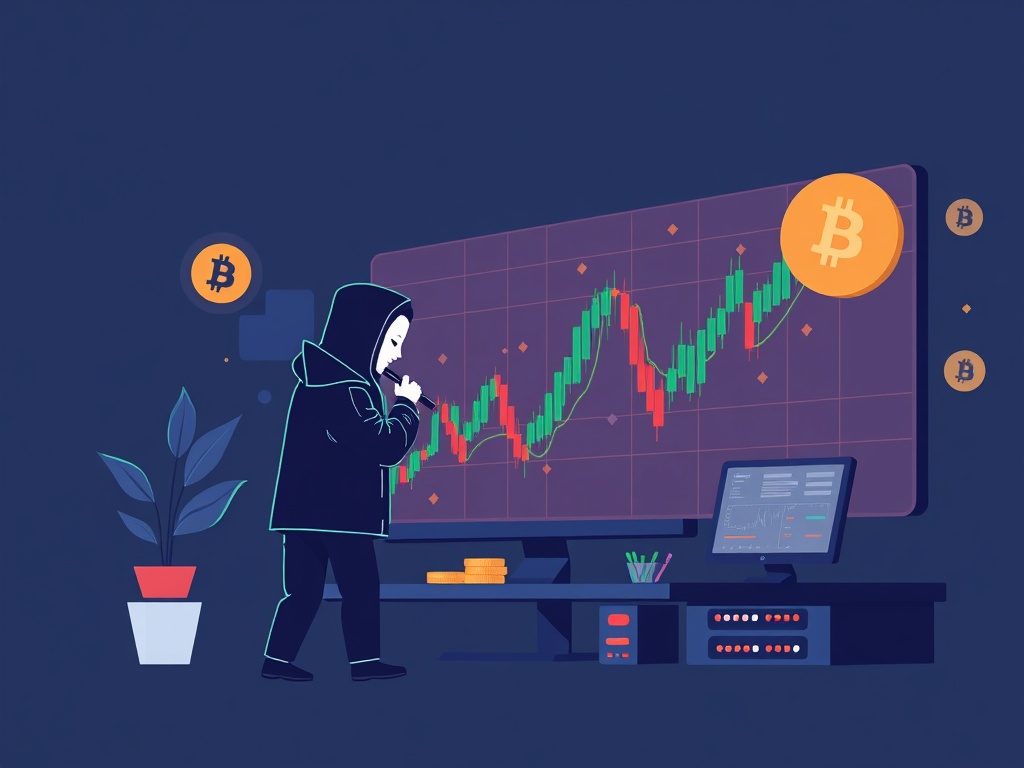
Understanding Anonymous Futures Trading in the Cryptocurrency Space
The world of cryptocurrency trading has evolved significantly since Bitcoin's inception, with anonymous futures trading emerging as a specialized niche for traders seeking privacy and discretion. This comprehensive guide explores the mechanisms, benefits, risks, and platforms associated with maintaining anonymity while engaging in futures contracts.
What Is Anonymous Futures Trading?
Anonymous futures trading refers to the practice of executing futures contracts without revealing personal identity or financial information. Unlike traditional futures markets that require extensive KYC (Know Your Customer) documentation, anonymous platforms allow traders to participate while maintaining their privacy.
Futures contracts are derivative instruments that obligate traders to buy or sell an asset at a predetermined price on a specific future date. In the cryptocurrency context, these contracts allow speculation on Bitcoin, Ethereum, and other digital assets without actually owning them.
Key Characteristics of Anonymous Futures Trading
- No personal identification required for account creation
- Privacy-focused registration processes
- Minimal or no KYC verification requirements
- Enhanced security through pseudonymity
- Decentralized or semi-decentralized platforms
Why Traders Choose Anonymous Futures Trading
The appeal of anonymous futures trading extends beyond simple privacy concerns. Traders from various backgrounds find value in maintaining anonymity for multiple reasons.
Privacy Protection
In an era of increasing digital surveillance, many traders prioritize keeping their financial activities private. Anonymous futures trading allows individuals to protect their trading strategies, portfolio sizes, and profit margins from public scrutiny.
Regulatory Circumvention
Some traders operate in jurisdictions with restrictive cryptocurrency regulations. Anonymous futures trading provides a pathway to participate in global markets without local regulatory interference.
Security Benefits
By eliminating personal information from trading accounts, users reduce their exposure to identity theft, hacking attempts, and targeted phishing schemes. The less information available, the smaller the attack surface for malicious actors.
Accessibility
Anonymous platforms often have lower barriers to entry, allowing traders from regions with limited banking infrastructure to participate in futures markets using only cryptocurrency deposits.
How Anonymous Futures Trading Works
The mechanics of anonymous futures trading differ from traditional futures markets. Understanding these differences is crucial for successful participation.
Platform Selection
Traders typically choose between decentralized exchanges (DEXs), privacy-focused centralized exchanges, or peer-to-peer platforms. Each option offers different levels of anonymity and functionality.
Account Creation
Anonymous platforms usually require only an email address or cryptocurrency wallet address for registration. Some platforms operate entirely without any registration, using smart contracts or atomic swaps instead.
Funding Methods
Funding anonymous futures accounts typically involves depositing cryptocurrency directly from personal wallets. Some platforms accept privacy coins like Monero or Zcash for enhanced anonymity.
Trading Mechanics
Once funded, traders can access perpetual contracts, quarterly futures, and various leverage options. The trading interface functions similarly to traditional futures platforms, with order books, charts, and risk management tools.
Popular Platforms for Anonymous Futures Trading
Several platforms have emerged to serve the anonymous futures trading community. Each offers unique features and varying degrees of privacy.
Decentralized Exchanges
Platforms like dYdX, Perpetual Protocol, and GMX operate on blockchain networks, allowing traders to maintain custody of their funds while trading futures contracts. These platforms typically require only a cryptocurrency wallet connection.
Privacy-Focused Centralized Exchanges
Some centralized exchanges prioritize user privacy while offering futures trading. These platforms may require minimal verification for higher withdrawal limits but maintain anonymous trading capabilities.
Peer-to-Peer Platforms
P2P platforms facilitate direct connections between traders, often using escrow services or smart contracts to ensure fair execution of futures agreements without intermediaries.
Risks and Considerations
While anonymous futures trading offers numerous benefits, traders must understand the associated risks before participating.
Regulatory Uncertainty
The legal status of anonymous trading platforms remains unclear in many jurisdictions. Traders may face potential legal consequences depending on their location and local regulations.
Security Risks
Anonymous platforms may lack the security infrastructure of regulated exchanges. Smart contract vulnerabilities, exit scams, and platform hacks pose significant risks to trader funds.
Limited Recourse
Without identity verification, traders have limited options for recovering funds in case of platform issues or disputes. The anonymous nature that provides privacy also eliminates traditional customer support channels.
Market Manipulation
Anonymous platforms may be more susceptible to market manipulation, wash trading, and other fraudulent activities due to the lack of regulatory oversight.
Best Practices for Anonymous Futures Trading
Successful participation in anonymous futures trading requires careful planning and adherence to security best practices.
Security Measures
Use hardware wallets for storing trading funds, enable two-factor authentication where available, and regularly update security software. Consider using VPNs and Tor for additional privacy layers.
Risk Management
Implement strict position sizing, use stop-loss orders, and never risk more than you can afford to lose. The high leverage available in futures trading can lead to rapid losses.
Platform Due Diligence
Research platforms thoroughly before depositing funds. Check smart contract audits, community reputation, and platform history. Start with small amounts to test platform reliability.
Privacy Enhancement
Use privacy coins for deposits and withdrawals when possible, create separate wallets for trading activities, and avoid linking personal information to trading activities.
The Future of Anonymous Futures Trading
The landscape of anonymous futures trading continues to evolve as technology advances and regulatory pressures increase.
Technological Advancements
Improvements in zero-knowledge proofs, layer-2 scaling solutions, and cross-chain interoperability will likely enhance the capabilities and privacy features of anonymous trading platforms.
Regulatory Developments
Increased regulatory scrutiny may force some platforms to implement KYC procedures, while others may relocate to more privacy-friendly jurisdictions or transition to fully decentralized models.
Market Maturation
As the market matures, we may see the emergence of hybrid models that balance privacy with regulatory compliance, offering different tiers of service based on verification levels.
Conclusion
Anonymous futures trading represents a significant segment of the cryptocurrency derivatives market, offering privacy-conscious traders access to leveraged positions without compromising their identity. While the benefits of anonymity are substantial, traders must carefully weigh these against the associated risks and legal considerations.
Success in anonymous futures trading requires thorough research, robust security practices, and a clear understanding of both the opportunities and challenges inherent in privacy-focused trading. As the cryptocurrency ecosystem continues to evolve, anonymous futures trading will likely remain an important option for traders seeking discretion in their financial activities.
The future of anonymous futures trading will be shaped by technological innovation, regulatory developments, and the ongoing tension between privacy rights and financial oversight. Traders who stay informed about these developments while maintaining disciplined risk management practices will be best positioned to navigate this dynamic market segment.
<h1>Anonymous Futures Trading: A Strategic Perspective</h1> <p>As a cryptocurrency investment advisor with over a decade of experience, I've observed the growing interest in anonymous futures trading among both retail and institutional investors. This trading approach offers unique advantages, particularly in terms of privacy and security. By allowing traders to engage in futures contracts without revealing their identities, anonymous futures trading can protect sensitive financial information from potential cyber threats and market manipulation. This level of anonymity is especially appealing in the volatile world of cryptocurrencies, where market sentiment can shift rapidly and unpredictably.</p> <p>However, it's crucial to approach anonymous futures trading with a well-informed strategy. While the privacy benefits are significant, traders must also be aware of the potential risks and regulatory considerations. The lack of transparency can sometimes lead to challenges in dispute resolution and may limit access to certain market protections. Therefore, I advise my clients to thoroughly research the platforms they intend to use, ensuring they have robust security measures and a track record of reliability. Additionally, understanding the legal landscape in your jurisdiction is essential, as regulations surrounding anonymous trading can vary widely.</p> <p>In conclusion, anonymous futures trading can be a powerful tool for those looking to enhance their privacy and security in the cryptocurrency markets. By carefully weighing the benefits against the potential risks and staying informed about regulatory changes, investors can make strategic decisions that align with their financial goals. As always, I recommend consulting with a financial advisor to tailor your trading strategy to your specific needs and risk tolerance.</p>