Private Wallet Guardian: Your Ultimate Protection for Cryptocurrency Security
Apr 19, 2026 · 6 min read
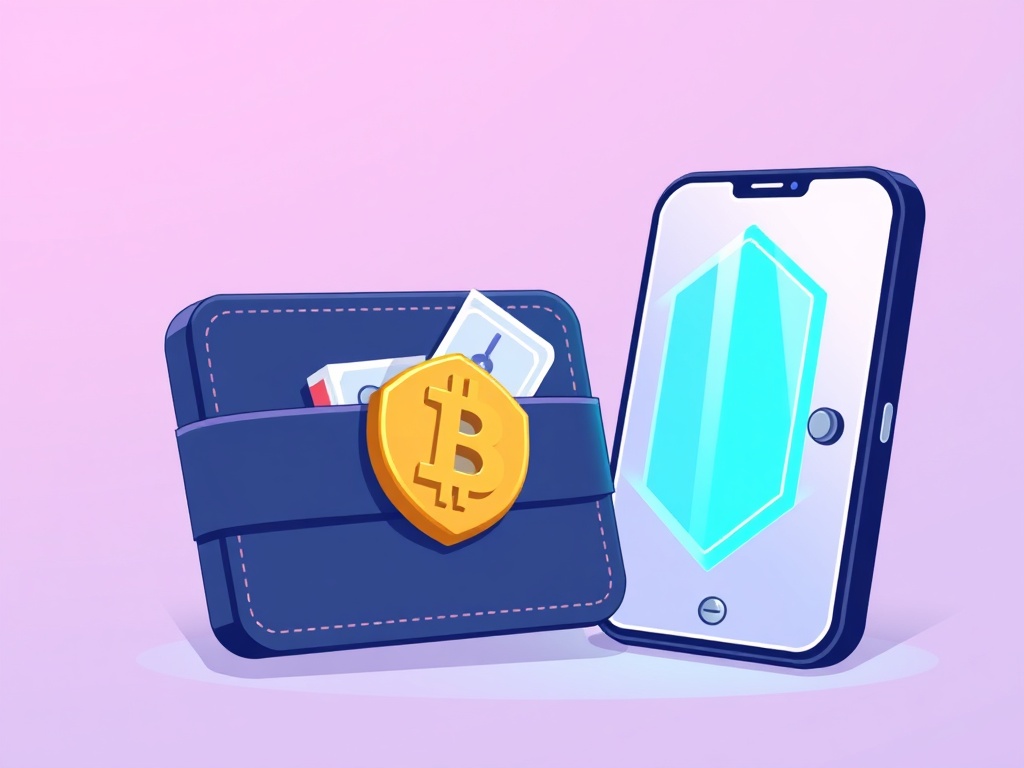
Private Wallet Guardian: Your Ultimate Protection for Cryptocurrency Security
In the rapidly evolving world of cryptocurrency, protecting your digital assets has become more critical than ever. As blockchain technology advances and digital currencies gain mainstream adoption, the need for robust security measures has intensified. This is where a private wallet guardian comes into play, serving as your digital fortress against potential threats and vulnerabilities in the crypto ecosystem.
Understanding the Role of a Private Wallet Guardian
A private wallet guardian is a comprehensive security solution designed to protect your cryptocurrency holdings from unauthorized access, theft, and other digital threats. Unlike traditional banking systems with built-in protections, cryptocurrency transactions are irreversible, making security paramount. The private wallet guardian acts as your personal security protocol, implementing multiple layers of protection to ensure your digital assets remain safe and accessible only to you.
Core Functions of a Private Wallet Guardian
The primary functions of a private wallet guardian include:
- Secure key management and storage
- Transaction verification and authorization
- Real-time threat monitoring
- Backup and recovery solutions
- Multi-signature authentication
Why You Need a Private Wallet Guardian
The cryptocurrency landscape is fraught with potential risks, from sophisticated hacking attempts to simple human error. Without proper protection, your digital assets could be vulnerable to various threats. A private wallet guardian provides peace of mind by implementing industry-leading security protocols and best practices to safeguard your investments.
Common Threats in the Crypto Space
Understanding the threats that necessitate a private wallet guardian is crucial:
- Phishing attacks - Deceptive attempts to steal your credentials
- Malware and viruses - Malicious software designed to compromise your system
- Exchange hacks - Security breaches at cryptocurrency exchanges
- Social engineering - Manipulation tactics to gain unauthorized access
- Physical theft - Theft of hardware wallets or devices containing private keys
Key Features of an Effective Private Wallet Guardian
When selecting a private wallet guardian, it's essential to understand the features that provide optimal protection for your digital assets. The most effective solutions combine multiple security layers to create a comprehensive defense system.
Advanced Security Protocols
A robust private wallet guardian should implement:
- End-to-end encryption - Ensuring all data remains encrypted throughout transmission and storage
- Biometric authentication - Using fingerprints or facial recognition for enhanced security
- Hardware security modules - Dedicated secure chips for key storage
- Time-based one-time passwords - Dynamic authentication codes that expire quickly
- Geolocation restrictions - Limiting access based on physical location
User-Friendly Interface
While security is paramount, a private wallet guardian should also offer an intuitive user experience. The best solutions balance robust protection with ease of use, ensuring that even cryptocurrency newcomers can effectively manage their digital assets without compromising security.
Types of Private Wallet Guardians
The market offers various types of private wallet guardians, each with unique advantages and considerations. Understanding these options can help you choose the solution that best fits your security needs and technical expertise.
Hardware Wallet Guardians
Hardware-based private wallet guardians store your private keys on physical devices, typically USB-like gadgets that remain offline except during transactions. These devices offer exceptional security by keeping your keys completely isolated from internet-connected devices.
Software Wallet Guardians
Software solutions provide private wallet guardian functionality through applications installed on your computer or mobile device. While more convenient than hardware options, they require careful security practices to maintain protection.
Multi-Signature Wallet Guardians
Multi-signature private wallet guardians require multiple approvals before transactions can be executed. This distributed security model significantly reduces the risk of unauthorized access, as compromising multiple keys becomes exponentially more difficult for potential attackers.
Best Practices for Using a Private Wallet Guardian
Even with a sophisticated private wallet guardian, following security best practices is essential to maximize protection for your digital assets. These guidelines help ensure that your cryptocurrency remains secure against evolving threats.
Regular Security Updates
Keeping your private wallet guardian software updated is crucial for maintaining optimal security. Developers regularly release updates to address newly discovered vulnerabilities and enhance protection against emerging threats.
Backup and Recovery Procedures
Establishing reliable backup procedures for your private wallet guardian ensures you can recover your assets if your primary device is lost, stolen, or damaged. Store backup information in multiple secure locations using different media types.
Strong Authentication Practices
Implement strong authentication methods with your private wallet guardian, including complex passwords, two-factor authentication, and biometric verification where available. Avoid reusing passwords across different services.
The Future of Private Wallet Guardians
As cryptocurrency adoption continues to grow, private wallet guardians are evolving to address new challenges and incorporate emerging technologies. The future promises even more sophisticated security solutions that balance protection with usability.
Emerging Technologies
Several cutting-edge technologies are shaping the next generation of private wallet guardians:
- Decentralized identity solutions - Blockchain-based identity verification
- Zero-knowledge proofs - Verifying transactions without revealing sensitive information
- Quantum-resistant cryptography - Protection against future quantum computing threats
- AI-powered threat detection - Machine learning algorithms identifying suspicious patterns
- Biometric advancements - More secure and convenient authentication methods
Regulatory Considerations
As governments develop cryptocurrency regulations, private wallet guardians must adapt to comply with legal requirements while maintaining user privacy and security. This evolving regulatory landscape will influence how these security solutions develop and operate.
Choosing the Right Private Wallet Guardian
Selecting the appropriate private wallet guardian requires careful consideration of your specific needs, technical expertise, and the value of assets you're protecting. This decision significantly impacts the security of your cryptocurrency holdings.
Assessment Criteria
When evaluating private wallet guardian options, consider:
- Security track record - History of security incidents and responses
- Company reputation - Credibility and transparency of the provider
- Supported cryptocurrencies - Compatibility with your digital assets
- Recovery options - Procedures for regaining access if credentials are lost
- Cost considerations - Initial investment and ongoing fees
- Technical support - Availability of assistance when needed
Implementation Strategy
Once you've selected a private wallet guardian, implement it systematically:
- Research and select your preferred solution
- Set up the private wallet guardian following manufacturer guidelines
- Transfer a small amount initially to test the system
- Gradually move larger holdings as you become comfortable
- Regularly review and update your security practices
Common Mistakes to Avoid
Even with a private wallet guardian, certain mistakes can compromise your cryptocurrency security. Being aware of these common errors helps you avoid potential pitfalls.
Security Oversights
Avoid these common mistakes when using a private wallet guardian:
- Sharing private keys - Never disclose your private keys to anyone
- Using public Wi-Fi - Avoid accessing your wallet on unsecured networks
- Ignoring software updates - Always install security updates promptly
- Single point of failure - Don't rely on a single security measure
- Poor password practices - Use unique, complex passwords for all accounts
Operational Errors
Operational mistakes can also compromise your private wallet guardian effectiveness:
- Incorrectly backing up recovery phrases
- Failing to test recovery procedures
- Using compromised devices to access your wallet
- Neglecting to monitor account activity
- Storing all assets in a single wallet
Conclusion
In the dynamic and sometimes volatile world of cryptocurrency, a private wallet guardian serves as your essential line of defense against digital threats. By implementing robust security measures, following best practices, and staying informed about emerging risks, you can significantly enhance the protection of your digital assets.
The investment in a quality private wallet guardian is minimal compared to the potential losses from security breaches. As the cryptocurrency ecosystem continues to evolve, these security solutions will become increasingly sophisticated, offering even greater protection for your valuable digital assets.
Remember that security is an ongoing process, not a one-time setup. Regularly review and update your private wallet guardian configuration, stay informed about new threats, and adapt your security practices accordingly. With the right approach and tools, you can confidently navigate the cryptocurrency landscape while keeping your assets secure.
<h1>Private Wallet Guardian: A Critical Tool for Digital Asset Security</h1> <p>As a Digital Assets Strategist with extensive experience in both traditional finance and cryptocurrency markets, I've observed the growing importance of secure storage solutions for digital assets. The concept of a private wallet guardian represents a significant evolution in how we approach cryptocurrency security. This innovative approach combines the benefits of self-custody with enhanced protection mechanisms, addressing one of the most pressing concerns in the digital asset space: the balance between security and accessibility.</p> <p>From my perspective as a quantitative analyst, the private wallet guardian model offers a compelling solution to the trade-off between security and convenience. By implementing multi-signature protocols and time-locked transactions, these guardians provide an additional layer of security without completely relinquishing control to the user. This approach is particularly valuable for institutional investors and high-net-worth individuals who require robust security measures but cannot afford the risks associated with single-point-of-failure scenarios. The integration of on-chain analytics further enhances the guardian's ability to detect and prevent unauthorized transactions, making it an indispensable tool in the modern digital asset management toolkit.</p> <p>However, it's crucial to recognize that the effectiveness of a private wallet guardian ultimately depends on its implementation and the underlying technology. As someone deeply involved in market microstructure and portfolio optimization, I emphasize the importance of thorough due diligence when selecting a guardian service. Key factors to consider include the guardian's track record, the transparency of their security protocols, and their ability to adapt to emerging threats in the rapidly evolving cryptocurrency landscape. While private wallet guardians offer significant advantages, they should be viewed as part of a comprehensive security strategy rather than a standalone solution.</p>