Multisig Wallet Security: Enhancing Cryptocurrency Protection Through Distributed Trust
Apr 14, 2026 · 8 min read
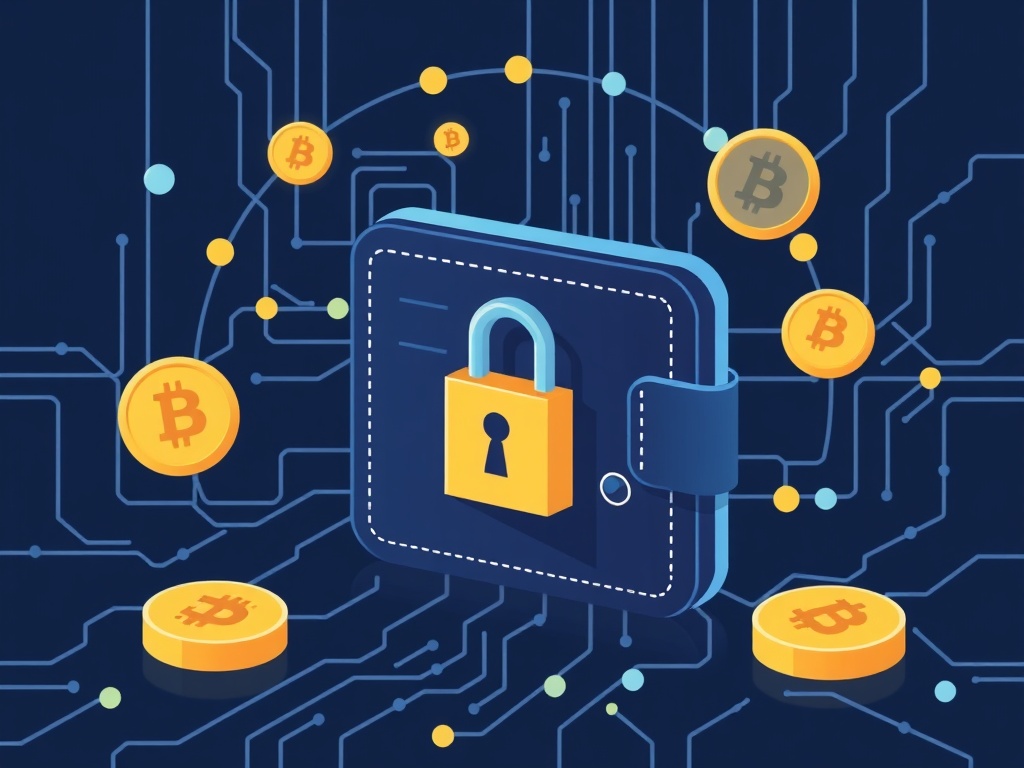
Multisig Wallet Security: Enhancing Cryptocurrency Protection Through Distributed Trust
In the rapidly evolving world of cryptocurrency, multisig wallet security has emerged as a critical component for safeguarding digital assets. Unlike traditional single-signature wallets, which rely on a single private key for transactions, multisig wallets require multiple approvals before any action can be taken. This layered approach significantly reduces the risk of unauthorized access, making it a preferred choice for both individual users and institutional investors. As the demand for secure and transparent financial systems grows, understanding the principles and best practices of multisig wallet security becomes essential for anyone involved in the crypto ecosystem.
Understanding Multisig Wallet Security
At its core, multisig wallet security is built on the principle of distributed trust. A multisig wallet requires multiple private keys to authorize a transaction, typically in a predefined ratio such as 2-of-3 or 3-of-5. This means that even if one key is compromised, the attacker cannot execute a transaction without the additional keys. The design of multisig wallets is rooted in cryptographic protocols that ensure no single party has full control over the funds, thereby mitigating the risks associated with centralized systems.
What is a Multisig Wallet?
A multisig wallet is a type of cryptocurrency wallet that uses multiple private keys to authorize transactions. Unlike traditional wallets, which rely on a single key, multisig wallets distribute the responsibility of securing funds across multiple parties. This setup is particularly useful for businesses, families, or organizations that need to share access to a wallet while maintaining strict control over transactions. For example, a 2-of-3 multisig wallet requires at least two out of three private keys to approve a transaction, ensuring that no single individual can act unilaterally.
How Multisig Works
The operation of a multisig wallet is based on a combination of cryptographic signatures. When a transaction is initiated, the wallet generates a request for signatures from the designated parties. Each party signs the transaction using their private key, and once the required number of signatures is collected, the transaction is broadcast to the blockchain. This process not only enhances security but also adds a layer of accountability, as all parties involved must agree before any funds are moved.
The Role of Multisig in BTC Mixing Services
BTC mixing services, also known as cryptocurrency tumblers, play a crucial role in enhancing privacy by obscuring the transaction trail of Bitcoin. These services often utilize multisig wallet security to protect user funds and ensure that no single entity can trace the origin of the coins. By requiring multiple approvals for transactions, BTC mixers can prevent unauthorized access and reduce the risk of theft or fraud. This integration of multisig technology into mixing services highlights the growing importance of decentralized security measures in the crypto space.
How BTC Mixers Use Multisig
BTC mixers typically employ multisig wallets to manage the mixing process. When a user deposits Bitcoin into a mixer, the service generates a multisig wallet that requires multiple signatures to release the funds. This ensures that the mixer cannot access the user’s funds without the cooperation of other parties, such as the user or a third-party auditor. Additionally, multisig wallets allow mixers to distribute the responsibility of securing funds across multiple nodes, further reducing the risk of a single point of failure.
Benefits of Multisig in BTC Mixing
The use of multisig wallet security in BTC mixing services offers several advantages. First, it enhances privacy by making it more difficult to trace the flow of funds. Second, it reduces the risk of theft, as the mixer cannot access the user’s funds without the required signatures. Third, it provides a transparent and auditable system, as all transactions are recorded on the blockchain. These benefits make multisig wallets an essential tool for users who prioritize both security and anonymity in their cryptocurrency transactions.
Best Practices for Securing Multisig Wallets
While multisig wallets offer robust security, their effectiveness depends on proper implementation and management. Users must follow best practices to ensure that their multisig wallet security remains intact. From choosing the right wallet provider to maintaining secure key storage, every step plays a crucial role in protecting digital assets. By adhering to these guidelines, users can minimize the risk of unauthorized access and ensure the long-term safety of their cryptocurrency holdings.
Choosing a Reliable Multisig Wallet Provider
Selecting a trustworthy multisig wallet provider is the first step in ensuring multisig wallet security. Users should research the reputation of the provider, check for open-source code, and verify that the wallet supports the necessary security features. Reputable providers often offer features such as hardware wallet integration, multi-factor authentication, and regular security audits. It is also important to avoid wallets that have a history of vulnerabilities or security breaches.
Implementing Strong Authentication Measures
Authentication is a critical component of multisig wallet security. Users should enable two-factor authentication (2FA) for all devices and accounts associated with their multisig wallet. Additionally, using hardware wallets or cold storage solutions can further enhance security by keeping private keys offline. It is also advisable to use unique and complex passwords for each account and to avoid reusing passwords across multiple platforms.
Regular Security Audits and Updates
Regular security audits are essential for maintaining multisig wallet security. Users should periodically review their wallet settings, check for software updates, and ensure that all components of the multisig system are up to date. This includes updating the wallet software, firmware, and any third-party services that interact with the wallet. By staying proactive, users can address potential vulnerabilities before they are exploited by malicious actors.
Common Threats to Multisig Wallet Security
Despite their robust design, multisig wallets are not immune to threats. Understanding the common risks associated with multisig wallet security is crucial for users who want to protect their assets. From phishing attacks to insider threats, there are several ways in which a multisig wallet can be compromised. By recognizing these risks and implementing appropriate countermeasures, users can significantly reduce the likelihood of a security breach.
Phishing Attacks and How to Avoid Them
Phishing attacks are one of the most common threats to multisig wallet security. Attackers often use deceptive emails, websites, or messages to trick users into revealing their private keys or signing malicious transactions. To avoid falling victim to phishing, users should always verify the authenticity of any communication related to their multisig wallet. This includes checking the sender’s email address, avoiding suspicious links, and using browser extensions that detect phishing attempts.
Malware and Its Impact on Multisig Wallets
Malware can pose a significant threat to multisig wallet security by compromising the devices used to access the wallet. Once a device is infected, attackers can steal private keys, monitor transactions, or even alter the wallet’s settings. To mitigate this risk, users should install reputable antivirus software, avoid downloading files from untrusted sources, and regularly scan their devices for malware. Additionally, using hardware wallets can provide an extra layer of protection by keeping private keys offline.
Insider Threats and Key Management
Insider threats, such as employees or collaborators with malicious intent, can also compromise multisig wallet security. In a multisig setup, any party with access to a private key has the potential to misuse it. To address this, users should implement strict access controls, limit the number of individuals with key access, and conduct regular audits of key usage. Additionally, using time-locked or multi-party approval mechanisms can further reduce the risk of insider threats.
Future Trends in Multisig Wallet Security
As the cryptocurrency landscape continues to evolve, so too will the technologies and strategies surrounding multisig wallet security. Emerging trends such as quantum-resistant cryptography, decentralized identity solutions, and AI-driven security monitoring are expected to shape the future of multisig wallets. These advancements will not only enhance security but also improve the user experience, making multisig wallets more accessible and efficient for a broader audience.
Quantum-Resistant Cryptography
With the advent of quantum computing, traditional cryptographic algorithms may become vulnerable to attacks. To address this, researchers are developing quantum-resistant cryptographic protocols that can withstand the computational power of future quantum computers. Integrating these protocols into multisig wallets will ensure that multisig wallet security remains robust even in the face of emerging technological threats. This proactive approach will be crucial for maintaining the long-term viability of multisig systems in a post-quantum world.
Decentralized Identity and Multisig Integration
Decentralized identity solutions, such as self-sovereign identity (SSI), are gaining traction as a way to enhance multisig wallet security. These systems allow users to maintain control over their digital identities without relying on centralized authorities. By integrating SSI with multisig wallets, users can verify their identity in a trustless manner, reducing the risk of identity theft and unauthorized access. This integration will further strengthen the security and transparency of multisig wallets in the crypto ecosystem.
AI-Driven Security Monitoring
Artificial intelligence (AI) is poised to play a significant role in the future of multisig wallet security. AI-powered tools can analyze transaction patterns, detect anomalies, and alert users to potential security threats in real time. By leveraging machine learning algorithms, multisig wallets can become more adaptive and responsive to evolving risks. This level of automation will not only improve security but also streamline the management of multisig systems, making them more user-friendly for both individuals and organizations.
Conclusion: The Importance of Multisig Wallet Security
In conclusion, multisig wallet security is a cornerstone of modern cryptocurrency protection. By distributing trust across multiple parties, multisig wallets offer a robust defense against unauthorized access, theft, and fraud. Whether used for personal asset management or integrated into BTC mixing services, multisig technology provides a secure and transparent way to handle digital assets. As the crypto industry continues to grow, the importance of maintaining strong multisig wallet security practices will only increase. By staying informed and adopting best practices, users can ensure that their multisig wallets remain a reliable and secure solution for managing their cryptocurrency holdings.
<h1>Enhancing Multisig Wallet Security: Balancing Complexity and Usability in Modern Blockchain Solutions</h1> <p>As a Blockchain Research Director with over eight years of experience in distributed ledger technology, I’ve witnessed the evolution of multisig wallet security from a niche concept to a critical component of institutional and individual asset protection. Multisig wallets, which require multiple private keys to authorize transactions, offer a robust defense against single points of failure, but their effectiveness hinges on thoughtful implementation. In my work, I’ve observed that many users underestimate the interplay between technical complexity and user experience, often prioritizing security at the expense of accessibility. This trade-off is particularly pronounced in cross-chain environments, where multisig configurations must account for varying consensus mechanisms and interoperability protocols.</p> <p>Practical insights from my research highlight the importance of granular key management and role-based access controls. For instance, a 2-of-3 multisig setup might seem secure, but without clear delineation of responsibilities, a compromised key could still jeopardize the entire system. I advocate for dynamic threshold adjustments and multi-party computation (MPC) integrations to mitigate risks while maintaining flexibility. Additionally, smart contract vulnerabilities—such as reentrancy attacks or improper signature validation—remain a persistent threat. My team’s audits have consistently revealed that even well-designed multisig systems can fail if underlying code lacks formal verification or fails to account for edge cases in transaction logic.</p> <p>Looking ahead, the future of multisig wallet security lies in seamless integration with emerging technologies like zero-knowledge proofs and decentralized identity frameworks. These innovations could enable trustless verification of signatures without exposing sensitive data, further hardening multisig systems against phishing and social engineering attacks. However, education remains paramount. Users must understand not only the technical safeguards but also the behavioral risks, such as key storage practices and phishing simulations. As blockchain ecosystems grow more interconnected, multisig wallet security will continue to be a cornerstone of trust—demanding both innovation and vigilance in equal measure.