Counter Terrorism Financing: Safeguarding Global Security Through Financial Intelligence
May 15, 2026 · 6 min read
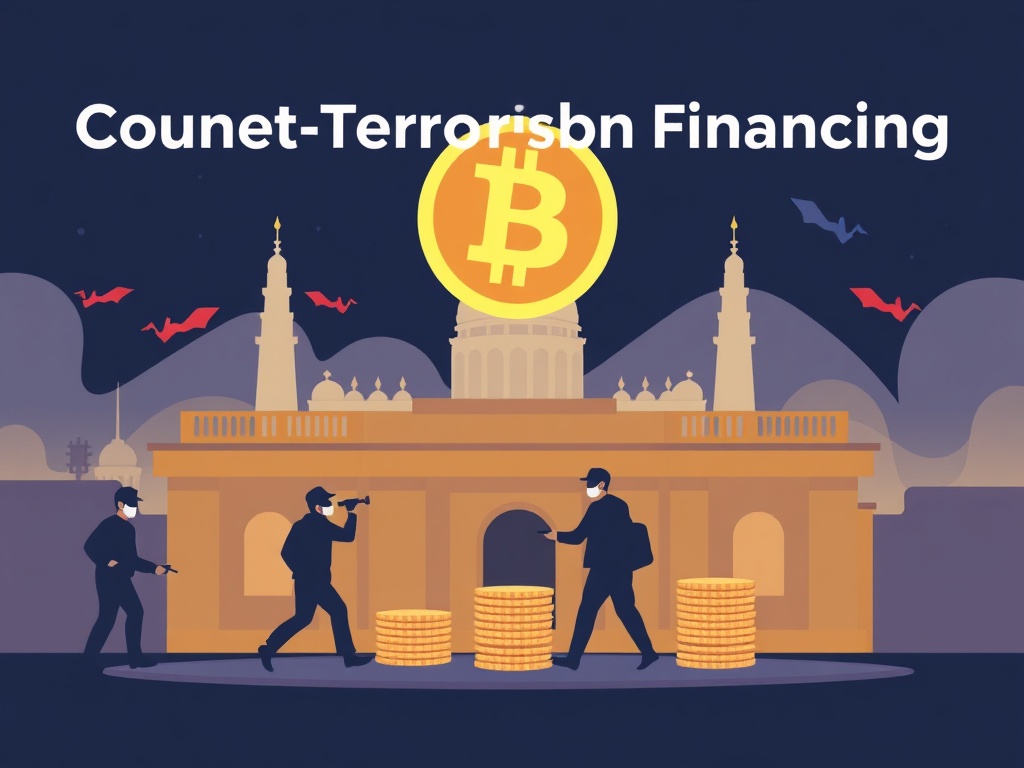
Counter Terrorism Financing: Safeguarding Global Security Through Financial Intelligence
Understanding Counter Terrorism Financing
Counter terrorism financing (CTF) refers to the deliberate efforts to disrupt the flow of funds that support terrorist activities. This includes activities such as money laundering, asset freezing, and the tracking of illicit financial transactions. The term "counter terrorism financing" is central to global security strategies, as it aims to prevent terrorist groups from acquiring the resources needed to carry out attacks. By addressing the financial underpinnings of terrorism, CTF plays a critical role in mitigating threats to public safety and international stability.
The Definition and Scope of Counter Terrorism Financing
At its core, counter terrorism financing involves identifying, tracking, and disrupting financial networks that enable terrorist organizations. This can range from monitoring bank transactions to analyzing digital payment systems. The scope of CTF is vast, encompassing both traditional financial institutions and emerging technologies like cryptocurrencies. For instance, the use of platforms such as BTcmixer in the context of CTF has raised concerns about how digital currencies might be exploited for illicit purposes.
Methods Used in Terrorist Financing
- Cash smuggling: Moving large sums of money across borders to avoid detection.
- Shell companies: Creating fake businesses to launder funds.
- Cryptocurrency transactions: Utilizing decentralized platforms to obscure the origin of funds.
These methods highlight the complexity of combating counter terrorism financing. Terrorist groups often adapt their tactics to evade detection, making it essential for authorities to stay ahead of evolving financial strategies.
The Role of Cryptocurrency in Counter Terrorism Financing
The rise of cryptocurrencies has introduced new challenges in the fight against counter terrorism financing. Digital currencies offer a level of anonymity that can be exploited by malicious actors. Platforms like BTcmixer, which facilitate the mixing of cryptocurrency transactions, have become focal points for discussions about how such technologies might be misused. Understanding this intersection is crucial for developing effective CTF strategies.
How Cryptocurrencies Facilitate Illicit Activities
- Anonymity: Cryptocurrencies allow users to conduct transactions without revealing their identities, making it easier to hide the source of funds.
- Decentralization: Unlike traditional banking systems, cryptocurrencies operate on decentralized networks, which can be harder to regulate.
- Rapid Transactions: The speed of crypto transfers can enable quick movement of funds, complicating tracking efforts.
These characteristics underscore why counter terrorism financing efforts must address the unique risks posed by digital currencies. Regulatory bodies are increasingly scrutinizing platforms like BTcmixer to ensure they comply with anti-money laundering (AML) standards.
BTcmixer and Its Implications for Counter Terrorism Financing
BTcmixer, as a cryptocurrency mixer, has been linked to discussions about its potential role in counter terrorism financing. By obscuring transaction trails, such platforms could theoretically be used to launder funds for terrorist activities. However, it is important to note that not all cryptocurrency mixers are inherently malicious. The key challenge lies in distinguishing between legitimate use cases and those that facilitate illicit behavior. This requires robust monitoring and collaboration between financial institutions and regulatory agencies.
Strategies for Effective Counter Terrorism Financing
Combating counter terrorism financing requires a multi-faceted approach. This includes technological innovation, international cooperation, and public awareness. Effective strategies must be adaptable to counter the ever-changing methods employed by terrorist groups. For example, leveraging artificial intelligence to detect suspicious financial patterns can significantly enhance CTF efforts.
Technological Solutions in Counter Terrorism Financing
- Blockchain analytics: Tools that analyze blockchain data to identify suspicious transactions.
- AI-driven monitoring: Systems that use machine learning to flag unusual financial activities.
- Real-time transaction tracking: Platforms that provide immediate visibility into fund movements.
These technologies are vital in addressing the challenges posed by modern financial systems. However, their implementation must be balanced with privacy concerns to avoid overreach.
International Cooperation in Counter Terrorism Financing
Terrorist financing is a global issue, necessitating coordinated efforts across borders. Initiatives like the Financial Action Task Force (FATF) play a pivotal role in setting global standards for counter terrorism financing. Countries must share intelligence, harmonize regulations, and collaborate on enforcement actions. For instance, the exchange of data between financial institutions in different jurisdictions can help uncover complex money laundering networks.
Case Studies and Real-World Applications
Examining real-world examples of counter terrorism financing provides valuable insights into both successes and failures. These case studies highlight the importance of proactive measures and the consequences of inadequate responses. One notable example involves the use of cryptocurrency in funding terrorist operations, which has prompted stricter regulations on platforms like BTcmixer.
A Case Study: Cryptocurrency and Terrorist Funding
In recent years, there have been reports of terrorist groups using cryptocurrencies to finance their activities. For instance, a 2022 investigation revealed that a terrorist organization had utilized a cryptocurrency mixer similar to BTcmixer to launder funds. This case underscores the need for enhanced due diligence and monitoring of such platforms. It also illustrates how counter terrorism financing efforts must evolve to address emerging threats.
Success Stories in Counter Terrorism Financing
- Freezing Assets: In 2021, authorities froze over $100 million in assets linked to a terrorist group, disrupting its financial operations.
- Regulatory Compliance: A major bank was fined for failing to report suspicious transactions, leading to improved AML practices.
- Public Awareness Campaigns: Educational initiatives have helped individuals recognize and report potential CTF activities.
These examples demonstrate that counter terrorism financing is not just a theoretical concept but a practical challenge that requires continuous effort and adaptation.
The Future of Counter Terrorism Financing in the BTcmixer En Niche
The intersection of counter terrorism financing and the BTcmixer en niche is a rapidly evolving area. As cryptocurrencies become more integrated into global finance, the potential for misuse increases. However, this also presents opportunities for innovation in CTF strategies. The future of counter terrorism financing will likely depend on how effectively stakeholders can balance security with technological advancement.
Emerging Trends in Counter Terrorism Financing
- Decentralized Finance (DeFi): The growth of DeFi platforms could create new avenues for illicit financing, requiring updated CTF frameworks.
- Regulatory Technology (RegTech): Advanced tools that automate compliance checks may enhance the efficiency of CTF efforts.
- Global Data Sharing: Improved collaboration between countries could lead to more effective detection of cross-border CTF activities.
These trends highlight the need for continuous adaptation in the fight against counter terrorism financing. Platforms like BTcmixer will need to implement stricter controls to prevent their misuse.
Challenges Ahead for Counter Terrorism Financing
Despite progress, several challenges remain in the realm of counter terrorism financing. These include the rapid evolution of financial technologies, the global nature of terrorist networks, and the difficulty of enforcing regulations across jurisdictions. Additionally, the anonymity provided by platforms like BTcmixer poses a significant hurdle. Addressing these challenges will require a combination of technological innovation, international cooperation, and public engagement.
Conclusion
Counter terrorism financing is a critical component of global security efforts. As financial systems become more complex, particularly with the rise of cryptocurrencies and platforms like BTcmixer, the need for robust CTF strategies has never been greater. By leveraging technology, fostering international collaboration, and staying vigilant against emerging threats, authorities can better protect societies from the financial underpinnings of terrorism. The ongoing evolution of counter terrorism financing will require sustained commitment and innovation to ensure its effectiveness in the years to come.
<h1>Counter Terrorism Financing: Navigating the Crypto Frontier in the Fight Against Illicit Finance</h1> <p>As a Senior Crypto Market Analyst with over 12 years of experience in digital asset analysis, I’ve observed how counter terrorism financing (CTF) has evolved in tandem with the rise of cryptocurrencies. The decentralized nature of blockchain technology presents both opportunities and challenges for authorities combating illicit financial flows. While cryptocurrencies can be exploited for CTF due to their pseudonymous transactions, they also offer unprecedented transparency when properly monitored. My work has focused on developing valuation models that account for the risks associated with crypto assets, including their potential misuse. This duality underscores the need for adaptive strategies that leverage blockchain’s traceability while addressing its vulnerabilities.</p> <p>Practically, counter terrorism financing in the crypto space requires a multi-layered approach. From my perspective, institutions and regulators must prioritize real-time analytics tools that can detect anomalous transaction patterns linked to CTF. For instance, DeFi platforms, though innovative, have become hotspots for money laundering if not properly regulated. My research highlights that proactive measures—such as enhanced Know Your Customer (KYC) protocols and cross-chain transaction tracking—are critical. However, these solutions must balance privacy concerns with security. The key takeaway is that counter terrorism financing is not just a regulatory issue but a technological one, demanding collaboration between crypto experts, law enforcement, and financial institutions to stay ahead of bad actors.</p>